Eco-Friendly Approaches: How E-Waste Recycling Services Are Preserving Our Planet
Electronic waste presents serious dangers to the environment, as discarded electronics often contain toxic materials. These toxic materials have the potential to taint soil and water sources, leading to broader ecological damage. E-waste recycling initiatives provide a practical answer. They not only recover valuable resources but also mitigate pollution. Comprehending the operation of these services and their influence on communities is of great importance. The path to successful electronic waste management prompts vital discussions about personal accountability and communal efforts. What actions should be considered going forward?
Why Electronic Waste Is Harmful to the Planet
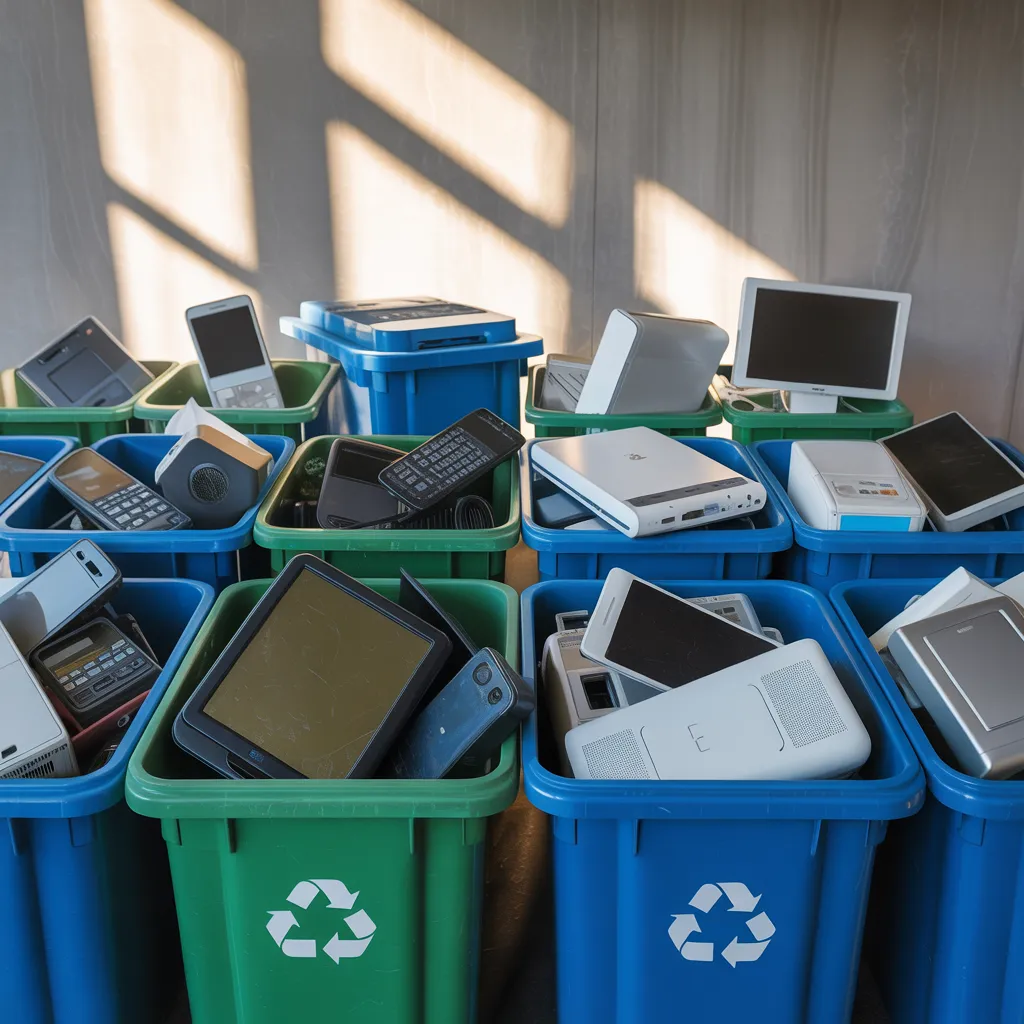
While technology enriches contemporary living, electronic waste presents considerable environmental hazards. Discarded electronic devices, frequently composed of toxic substances including lead, mercury, and cadmium, may release harmful substances into soil and groundwater, creating hazards for both wildlife and human well-being. The swift progression of technology contributes to greater consumer replacement of electronic devices, exacerbating the accumulation of electronic waste.
Landfills, already overwhelmed with refuse, find it difficult to handle the increasing amounts of discarded devices. Burning, an alternative disposal approach, discharges toxic contaminants into the air, worsening overall air quality. In addition, improper recycling practices can lead to the exportation of e-waste to developing countries, where laborers may dismantle devices without adequate safety measures, exposing themselves to dangerous substances. This cycle of neglect and improper handling underscores the urgent need for sustainable recycling solutions that can mitigate the adverse effects of e-waste on the planet.
What Is E-Waste and Why Is It Important?
E-waste, or electronic waste, includes discarded electronic devices like computers, smartphones, and televisions that have reached the end of their useful life. This increasingly prevalent form of waste is important due to its rapid accumulation, driven by technological advancements and consumer trends. As more devices become obsolete, the toll on the environment grows more severe, with harmful substances like lead, mercury, and cadmium presenting serious hazards to the environment and human well-being.
Addressing e-waste is crucial not only for reducing these dangers but also for acknowledging the precious materials found within it. Critical metals and rare earth components can be reclaimed and recycled, decreasing the reliance on mining and protecting natural resources. By understanding e-waste and its implications, individuals and organizations can make informed decisions about disposal and recycling, ultimately contributing to a more sustainable future. Responsible management of e-waste plays a key role in supporting a circular economy and championing environmental stewardship.
How the E-Waste Recycling Process Works
The recycling of e-waste encompasses an organized procedure intended to extract beneficial components while limiting ecological damage. Initially, e-waste is collected and transported to dedicated processing centers. After reaching the facility, the equipment is meticulously organized to separate hazardous components from recyclable materials.
Following this, employees deconstruct the items, removing glass, metals, and plastics. This process is vital, as it facilitates the retrieval of precious metals like silver, gold, and copper, which can be reused in new electronic devices.
Next, the sorted materials are handled via sophisticated techniques, such as shredding and specialized chemical treatments, to cleanse them for recycling.
In the final step, the remaining dangerous materials are managed properly, following environmental regulations. This multi-step approach not only saves important resources but also minimizes the hazards associated with irresponsible electronic waste disposal, guaranteeing a greener future for electronic device usage.
The Benefits of E-Waste Recycling for You and Your Community
Though many people are unaware, the benefits of e-waste recycling go far beyond individual benefit and actively shape entire communities. By responsibly disposing of electronic waste, individuals play a role in creating a cleaner environment, decreasing hazardous materials that can contaminate soil and water. This responsible method actively safeguards local ecosystems and promotes public health.
Additionally, electronic waste recycling supports workforce growth within communities. Regional recycling centers frequently need staff for a range of functions, including collection and processing, therefore offering work opportunities for local residents. This not only strengthens the regional economy but also fosters community involvement in eco-friendly practices.
Additionally, knowledge about e-waste recycling can lead to awareness campaigns, encouraging residents to make environmentally conscious decisions. By enrolling in e-waste recycling programs, individuals cultivate a culture of sustainability, inspiring others to do the same. In summary, the combined impact of these actions can contribute to a more robust and eco-friendly community.
Tips for Choosing an E-Waste Recycling Service
Choosing the best e-waste disposal service is crucial for making sure that electronic refuse is processed in a responsible and sustainable manner. To begin, individuals should check the company's credentials, such as e-Stewards or R2, which demonstrate compliance with professional guidelines for responsible recycling methods. It is equally important to assess the organization's reputation by reading customer reviews and seeking advice from dependable sources.
Furthermore, transparency in the recycling process is vital. A dependable service should offer detailed insights about how e-waste is processed and what becomes Explore all of the materials. Moreover, evaluating the range of services offered can be beneficial; certain providers may offer collection services or present rewards for recycling.
Furthermore, familiarizing yourself with area-specific requirements for e-waste disposal can help inform the selection process. Through focusing on these key aspects, residents can actively participate in responsible e-waste disposal while supporting green and responsible behaviors.
Ways You Can Participate in E-Waste Recycling?
Getting involved with e-waste recycling often starts at the local level, where local recycling facilities often provide essential services for proper disposal. Additionally, taking part in community awareness campaigns can enhance efforts to raise awareness about the importance of proper e-waste handling. Such efforts not only promote sustainability but also cultivate a collective sense of responsibility toward the environment.
Regional Recycling Centers
Numerous neighborhood recycling stations play an essential role in electronic waste recycling, supplying communities with reliable ways to discard electronic waste in an eco-friendly way. These stations receive a variety of electronic equipment, including outdated computers, mobile phones, and TVs, ensuring that harmful materials are handled safely. Most stations have qualified professionals who support individuals in understanding proper disposal practices, highlighting the value of recycling rather than landfilling. In addition, several stations organize planned drop-off gatherings or set collection days, making it easy for residents to participate. By taking advantage of these neighborhood resources, community members advance a circular economy, lowering environmental harm and encouraging sustainable habits. Connecting with these stations empowers communities to take action against e-waste pollution effectively.
Community Awareness Campaigns
Nearby organizations, schools, and enterprises can work together to organize events that support e-waste collection drives. Dedicated participants can take a leading part in spreading awareness, distributing educational materials, and engaging with the community. As a result of these combined actions, local inhabitants gain greater awareness and encouragement to properly recycle their e-waste, thus playing a meaningful role in creating a more environmentally responsible future.
Frequently Asked Questions
What Electronic Devices Are Eligible for Recycling?
Various electronics can be recycled, including computers, smartphones, televisions, laptops, gaming consoles, and printers. Additionally, accessories such as batteries, keyboards, and mice are also suitable for recycling, aiding in environmental conservation efforts.
Is There a Cost Associated With E-Waste Recycling?
That's correct, e-waste disposal sometimes comes with fees, depending on the facility. Certain providers charge fees for gathering or treatment, while some providers make services available at no charge, frequently supported by the sale of reclaimed components.
What Are the Benefits of E-Waste Recycling for Businesses?
Organizations can gain from e-waste recycling by minimizing disposal costs, strengthening their ecological standing, meeting compliance standards, reclaiming useful materials, and potentially generating revenue through resale, ultimately contributing to a more sustainable operational strategy.
What Becomes of Data on Recycled Devices?
Details from repurposed equipment is commonly completely removed or obliterated throughout the recycling process. This confirms sensitive information is kept safe, preventing unauthorized access while allowing materials to be recycled safely and responsibly in new products.
Can I Recycle Broken Electronics?
Yes, defective electronics can be recycled. Several centers process damaged devices, guaranteeing responsible disposal and extraction of precious materials. It helps minimize environmental impact while encouraging sustainable recycling habits to control electronic waste efficiently.